Master Advanced Culinary Techniques
Build professional kitchen skills through structured, hands-on learning designed for serious home cooks and aspiring culinary professionals.
Our program runs from October 2025 through March 2026, giving you five focused months to develop precision techniques that most people take years to acquire. You'll work through fundamental methods before moving into more complex preparations.
This isn't about shortcuts or quick tricks. We're talking about the kind of foundational knowledge that changes how you approach cooking entirely—proper knife skills, temperature control, flavor balance, and the chemistry behind why certain techniques work.
What You'll Actually Learn
The program covers four main areas that professional kitchens consider essential. Each module builds on previous skills, so you're not jumping around randomly.
- Classical knife techniques and precision cutting methods
- Stock preparation, sauce foundations, and emulsion science
- Protein cookery across different heat applications
- Pastry fundamentals and dough handling techniques
- Plating composition and visual presentation
Sessions run twice weekly in the evenings, with optional weekend workshops for more intensive practice. You'll need about four hours per week outside of class for practice and preparation.
How the Structure Works
We start with assessment so you're placed appropriately. Some participants come with restaurant experience, others are transitioning from home cooking. The goal is making sure everyone gets challenged at the right level.
Each module spans three weeks. First week focuses on technique demonstration and guided practice. Second week you work independently with instructor feedback. Third week is assessment—not formal testing, just showing you can execute the techniques reliably.
The kitchen space accommodates twelve students per session. Smaller groups mean more individual attention when you're struggling with something specific, which matters when you're learning precise technical skills.
All ingredients and equipment are provided during sessions. You'll need your own knife set by week three, but we'll help you choose appropriate tools that fit your budget and skill level.
Foundation Module
October through mid-November 2025
Knife skills, mise en place organization, basic stock preparation. This part moves slower because everything else depends on getting these fundamentals right.
You'll break down whole chickens, brunoise vegetables with consistency, and prepare clear stocks that actually taste like something. Boring? Maybe. Essential? Absolutely.
Technique Development
Mid-November through December 2025
Sauce work, emulsions, protein cookery methods. This is where things get interesting—and where most people realize cooking is actually applied chemistry.
Understanding why mayonnaise breaks or how to rescue a split hollandaise changes your entire relationship with cooking. You stop following recipes blindly and start understanding what's actually happening.
Advanced Applications
January through March 2026
Complex preparations, pastry techniques, final presentations. This section moves faster because you have the foundation. We cover more ground and expect more independence.
Final assessment involves planning and executing a three-course meal that demonstrates your technical range. It's challenging, but that's the point.
Learning Pathway Details
Each phase builds specific competencies that prepare you for the next level. Here's what the progression actually looks like in practice.
Weeks 1-6
Knife Skills & Prep Work
You'll spend what feels like excessive time on basic cuts. There's a reason—precision matters when you're cooking proteins or building sauces. Inconsistent cuts mean inconsistent cooking.
- Classical knife cuts and sharpening techniques
- Mise en place organization systems
- Stock preparation and flavor extraction
- Basic vegetable cookery methods
Weeks 7-12
Sauce Foundations
Mother sauces and their derivatives. Emulsion science. Understanding why certain ingredient combinations work and others fail spectacularly.
- Classical sauce preparation and derivatives
- Emulsion techniques and troubleshooting
- Reduction methods and flavor concentration
- Modern sauce applications
Weeks 13-18
Protein Cookery
Different proteins require different approaches. Beef isn't chicken isn't fish. Temperature control becomes critical here—the difference between perfect and overcooked is often just minutes.
- Dry heat methods across protein types
- Moist heat and combination techniques
- Resting, carryover, and temperature management
- Matching proteins with appropriate preparations
Weeks 19-22
Final Integration
Bringing everything together into complete dishes. Menu planning. Timing multiple components. Plating that actually makes sense rather than just looking pretty.
- Multi-component dish coordination
- Plating and presentation techniques
- Menu development and pairing logic
- Final assessment preparation and execution
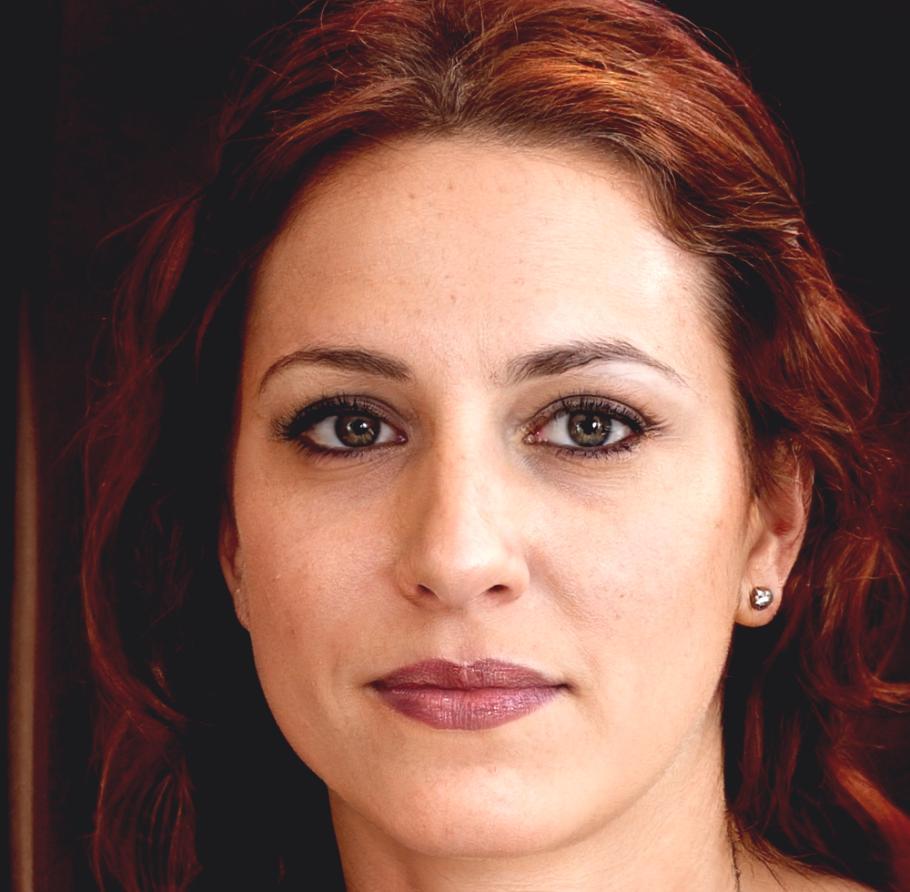
Vesela Dimitrova
Lead Instructor
Fifteen years in professional kitchens including three years as sous chef at Shtastlivetsa in Sofia. Focuses on classical French technique.
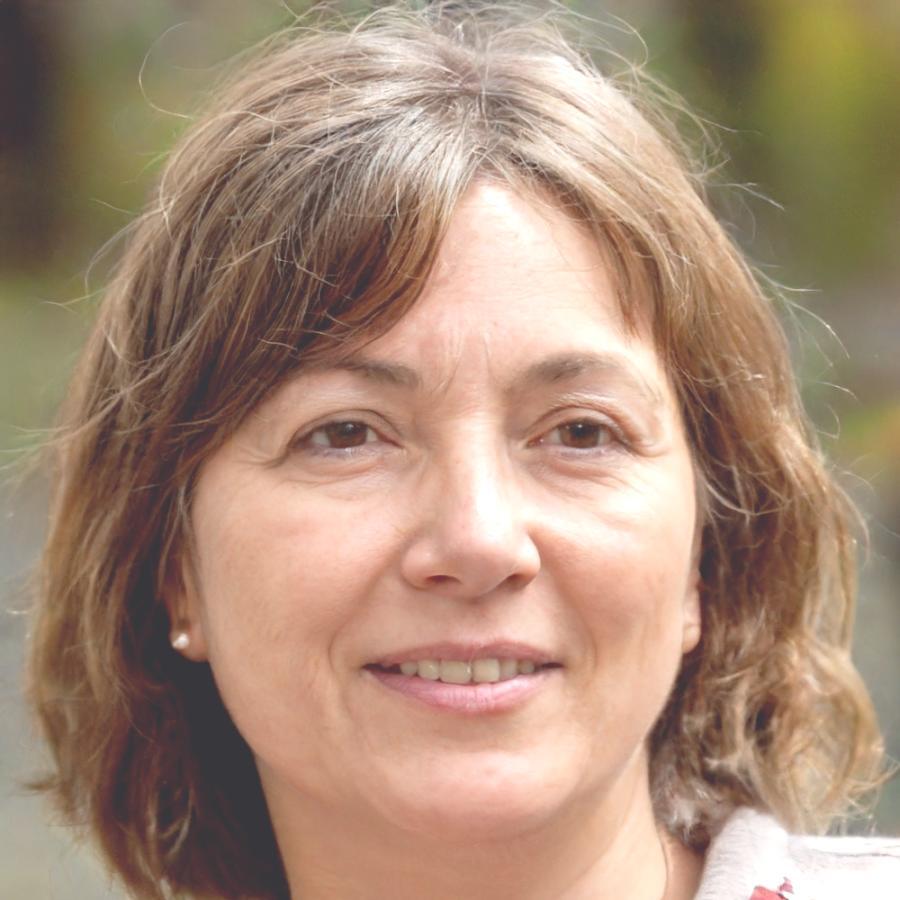
Anelia Krasteva
Pastry Specialist
Trained at Le Cordon Bleu Paris, worked in pastry departments across three countries. Handles all pastry and baking modules.

Teodora Hristova
Modern Techniques
Specializes in contemporary applications and molecular gastronomy. Brings current industry practices into traditional technique foundation.
What Happens After
Completing the program doesn't guarantee anything except solid technical skills. What you do with those skills is entirely up to you.
Some graduates go on to professional kitchens. Others just wanted to cook better at home and now they do. A few have opened their own small catering operations or private dining services.
We provide reference letters for graduates pursuing culinary positions, and we maintain connections with several restaurants in Varna and Sofia that sometimes hire our program alumni. But that's about support, not promises.
The real value is in the skill development itself. You'll understand cooking at a different level than most home cooks ever reach. Whether that turns into a career change or just makes your dinner parties significantly better depends entirely on what you want.
Ask About Enrollment